
JIMBU Guide
Hospitality Uniform Manufacturer in South Africa
Plan shirts, aprons, chef wear and branding with a hospitality uniform manufacturer in South Africa, and build your uniform budget role by role.
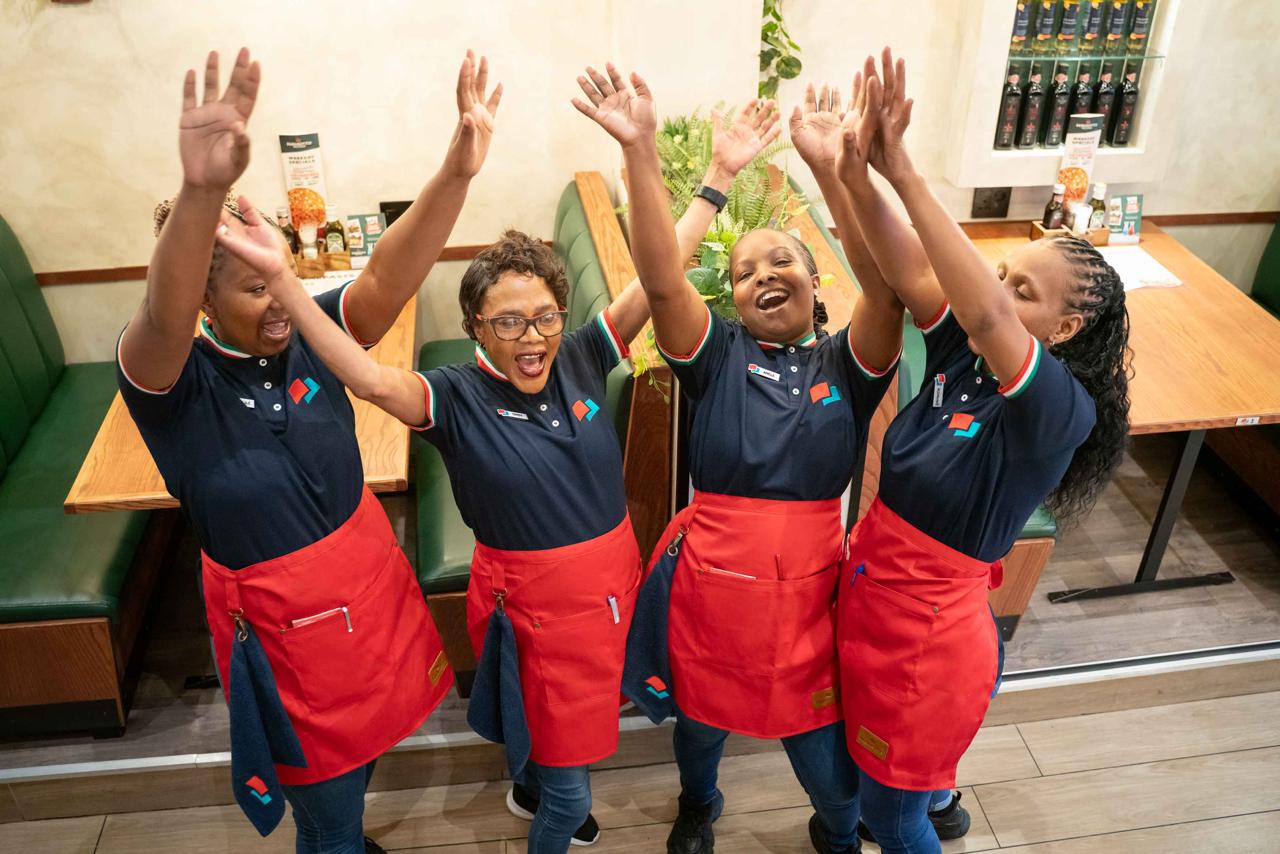
Hospitality uniforms do more than dress your team. They help guests recognise staff and create a consistent brand experience, from the first hello to the last plate. A hospitality uniform manufacturer in South Africa can help bring staff clothing together in styles and sizes suited to your hotel or venue. The right fit supports a polished look without getting in the way of daily work.
You may be weighing shirt and T-shirt styles, how to carry your branding across different roles, and what affects the overall budget. This guide covers those decisions and shows how to plan a coordinated range for your team. Clear choices make it easier to build a practical, consistent uniform plan.
Key Takeaways
- Plan uniforms around each role and your venue’s look, so the whole team feels part of one brand.
- Compare shirts and T-shirts by fit, fabric, and the demands of a typical shift.
- Build your budget role by role, so quotes are based on the uniform pieces your team actually needs.
- Look for a local manufacturing partner that can bring staff apparel and branded products together.
Branded hospitality uniforms
Branded uniforms help guests identify teams across kitchen, service, and accommodation roles. Choose each garment for its job, then align the range with your venue’s visual identity.
Garment Types
South African workwear and corporate clothing suppliers offer chef jackets, aprons, hotel uniforms, and front of house attire. Compare the garment range against your departments. A restaurant might need chef jackets and aprons, while a hotel also needs reception and housekeeping clothing.
Choose garments by task before settling colours and branding. Check where a logo will sit on each piece. A jacket, apron, and reception shirt have different usable areas, so the same placement may not work for every item.
Quality, Fabric and Customisation
Compare fabric, construction, fit, and customisation across suppliers. Corporate clothing options include cotton, polyester blends, and breathable fabrics. For warm shifts or active service, consider how each fabric feels during movement and across a full workday.
Match garment choices to each role. Kitchen and food service clothing should support workplace hygiene practices, while front-of-house attire should suit the venue’s presentation. Safety requirements depend on the tasks and workplace procedures. Uniforms do not replace those procedures.
Sizing and Sample Garments
Compare sizing across each garment type, and check measurements and cuts rather than relying on labels alone. If samples are available, staff can assess fit and movement before you finalise the range.
Minimum order quantities and lead times vary with order volume, garment selection, and customisation. Include these details in your supplier comparison. For nationwide delivery, compare each supplier’s stated coverage with your team’s locations, then plan orders around new starters and replacement garments.
JIMBU’s Company Uniforms & Apparel are designed, sourced, and produced in-house to suit brand specifications and workplace needs. Set out the roles that need uniforms, the garments they require, and the visual identity you want to maintain.
Hospitality shirts and T-shirts
Shirts and T-shirts give hospitality teams practical choices for different service settings. A collared shirt may suit reception or restaurant service, while a T-shirt may work for a relaxed café or event crew. Match the style to your venue’s dress expectations, then choose colours and logo placement that connect the team visually.
Corporate shirts in South Africa use cotton, polyester blends, and breathable fabrics. Compare these options against the workday. Staff moving between a dining room and an outdoor service area may value breathable fabric. For a formal hotel reception, a structured shirt can support a more tailored appearance. Judge each option against the tasks, not only its appearance on a hanger.
Build the selection by role. For example, consider collared shirts for reception, T-shirts for event staff, and aprons for food service. Keep the colour palette consistent even when garment styles differ. A considered logo placement can help guests recognise staff across departments. Compare proposed colours with your existing brand materials before finalising the range.
Fit matters throughout a shift. Compare garment measurements and cuts, then consider how staff move while serving, greeting guests, or setting tables. Sleeve length, collar shape, and tucked or untucked styling all affect the finished look. Have staff assess fit while moving through typical tasks, rather than judging comfort during a brief fitting.
Make the choice with a role-by-role checklist. Record the preferred shirt style, fabric, fit, colour, and branding position for each group. Cotton, polyester blends, and breathable fabrics offer options to weigh against comfort and daily care. A clear checklist gives you a consistent basis for comparing shirts and T-shirts across your hospitality team.
Hospitality uniform product prices
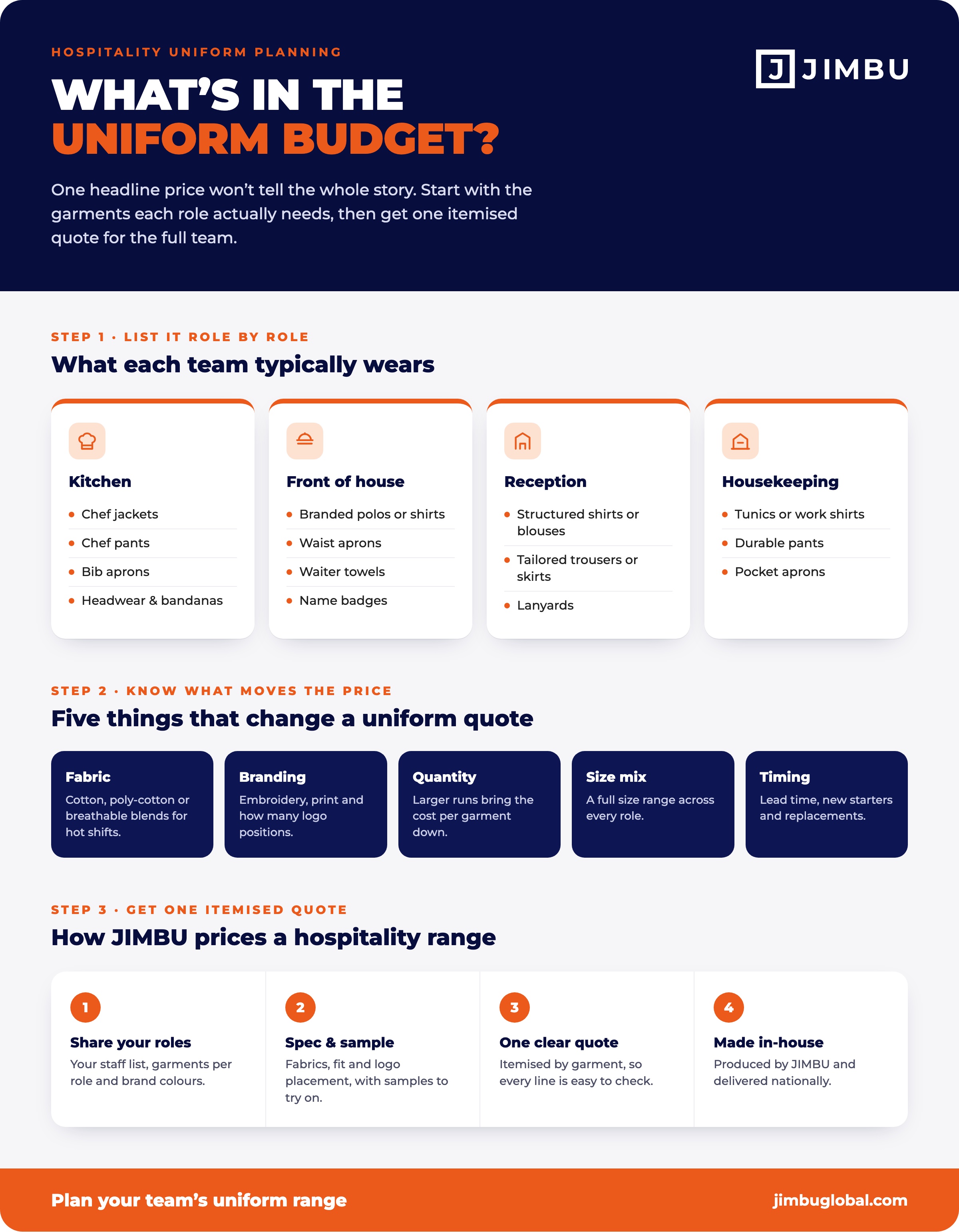
Plan the uniform budget around the garment mix, rather than a single headline price. An apron, chef jacket, chef pants, and front-of-house shirt are different items with different uses. Start by listing each role and the clothing it needs. This creates a practical basis for comparing quotes in South African rand.
The quote will depend on the garment type, fabric, customisation, size mix, and order quantity. A plain apron and a branded chef jacket are different requirements. Include both in your item list, and separate standard garments from items needing custom details. Clear categories make quotes easier to compare.
Build the estimate by department. For example, list chef jackets and pants for kitchen staff, aprons for food service, and shirts for reception. Add headwear if your team uses it. This makes it easier to see which roles shape the overall order and where a simpler garment could meet the same need.
Fabric and garment construction also affect the quote. Compare the selected fabric, garment style, and expected use across each role. Customisation can change the work involved, so record logo placement and colour requirements clearly. A complete brief helps suppliers price the same scope, rather than different versions of your uniform plan.
Before approving an order, review the quote against your staff list. Check garment quantities, sizes, custom details, and any separate product lines. Ask for the quote to group items by garment type, such as shirts, aprons, and chef jackets. Then compare the same categories across supplier proposals. Clear itemisation keeps the decision grounded in what your South African hospitality team actually needs.
Off-the-shelf catalogue prices can help you sense-check a budget, but they rarely reflect what your team will actually wear. A stock chef jacket and one made in your colours, with your logo embroidered and sized across a full kitchen team, are different products. Ask for a quote built on your own garment list, so every line reflects the fabric, branding and quantities you need.
JIMBU designs and produces Company Uniforms & Apparel in-house, so a quote can cover the full range, from chef jackets and aprons to front-of-house shirts, in one place. Share your role-by-role list and we’ll price it as a complete uniform plan.
What to look for in a hospitality uniform manufacturer
Start with the work, not just the garment. A hotel may need reception shirts, housekeeping clothing and kitchen wear, while a restaurant could need chef jackets, aprons and service tops. The right partner can cover every role in one range, so the whole team looks like part of the same brand rather than a mix of separate orders.
Next, look at how the uniforms are made. Ask about fabric, construction, size range and where the logo will sit on each garment. A logo on a chef jacket may need a different position from one on a reception shirt. A manufacturer that produces in-house can adapt these details to your brand instead of working only from a catalogue.
Finally, check the practical side: minimum order quantities, lead times and how new starters and replacement garments will be handled after the first order. Those details shape how easy the range is to maintain.
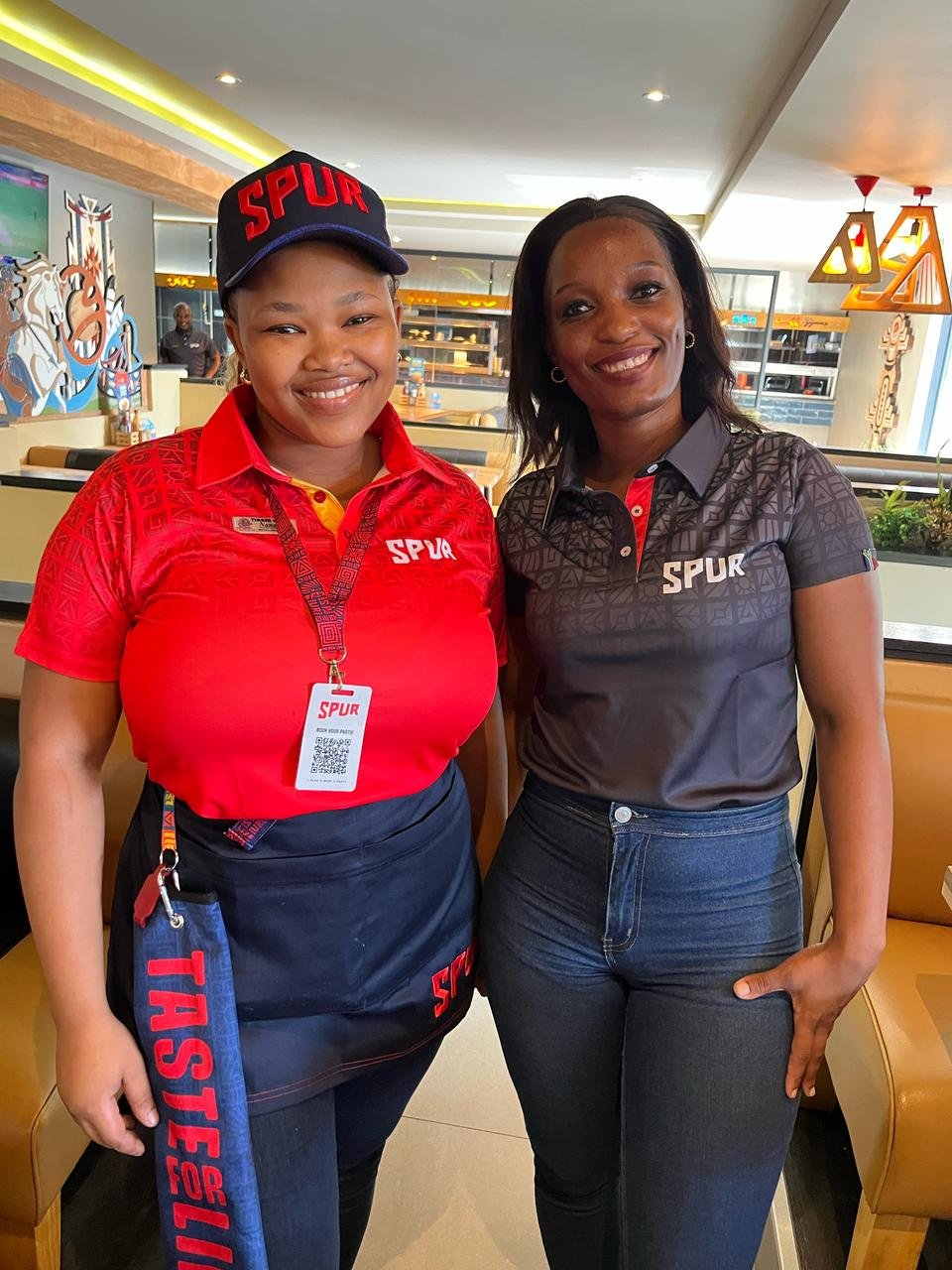
JIMBU designs and makes uniforms in-house for hospitality brands such as Spur and Panarottis. Explore our company uniform and apparel options to see the range.
Plan your hospitality uniforms with JIMBU
JIMBU makes Company Uniforms & Apparel in-house and can pair them with branded products and barware for guest-facing areas, so what your team wears matches what your guests see. A Brand Store then gives managers one place to reorder uniforms for new starters and replacements.
Start with your role-by-role garment list and brand colours. Contact JIMBU about hospitality uniforms and we’ll shape a range and an itemised quote around your team.
Got questions?
Frequently Asked Questions
Ready when you are
Let's build something worth talking about.
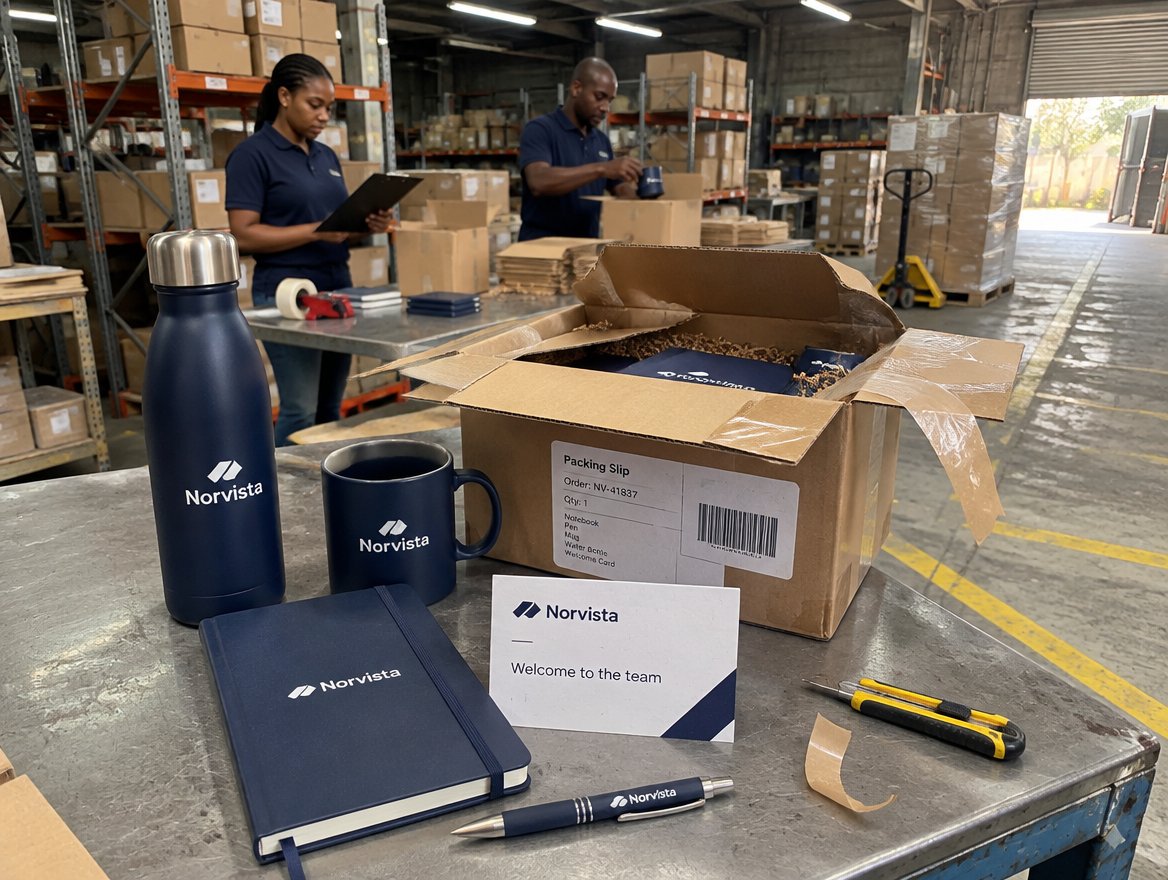
One partner. End-to-end execution. From the first sketch to the last shipped box.