
JIMBU Guide
Breathable Uniform Fabrics for Hot Climates: How to Choose
Breathable uniform fabrics for hot climates: compare airflow, quick-drying performance and cotton versus polyester to keep your team comfortable at work all ...
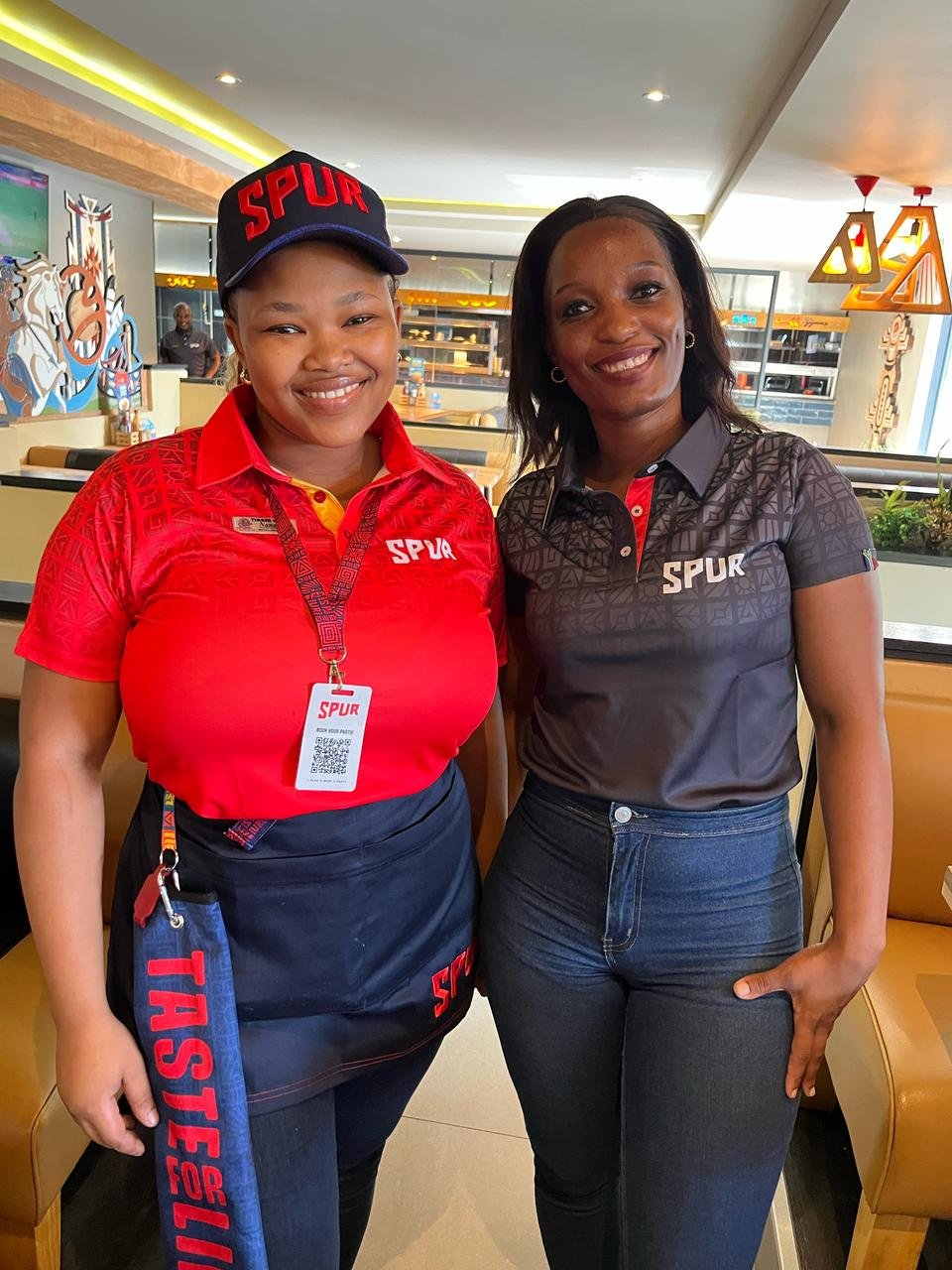
A “cooling” label won’t save a uniform that traps heat. Choosing breathable uniform fabrics for hot climates comes down to how air moves through the fabric and how it handles sweat. The label is only part of the story.
Cooling fabrics can help, but the weave, weight and moisture management matter just as much. If you’ve made it through a hot afternoon in a clingy shirt, you know comfort isn’t a small detail. It affects how you feel and how easily you can get on with the job.
We’ll break down airflow, quick-drying performance and the trade-offs between cotton and polyester, so you can make a better choice for your team. You’ll also see why a fabric that feels light in your hand isn’t always the most comfortable once the heat kicks in. Let’s get into it.
Key Takeaways
- Look beyond “cooling” labels. Fabric structure and blend both affect how a uniform feels in the heat.
- Match moisture management to the work. Quick-drying fabrics can feel more comfortable when the day gets sweaty.
- Weigh cotton’s softness and airflow against polyester’s quicker drying and durability. The right balance depends on how the uniform is worn.
- Consider the weave and garment design alongside the fibre. Better airflow starts with how the fabric lets heat and air move.
Are “Cooling Fabrics” Really Better for Hot Weather?
A “cooling” label isn’t a reliable shortcut. Blends and finishes can change how a textile performs, so judge the finished garment, not the label alone.
Blends and Single-Fibre Fabrics
A blend combines fibres or finishes to balance qualities that a single fibre may not provide on its own. That flexibility matters when a uniform needs to support movement, repeated washing and a consistent appearance.
For example, a linen-cotton blend can retain breathability while helping reduce wrinkling. A small amount of spandex, such as 3-8%, can add stretch and help a garment retain its shape. These choices affect fit and upkeep, not just how cool a fabric feels. For breathable uniform fabrics for hot climates, assess the finished fabric’s purpose rather than assuming every blend behaves alike.
Blends for Humid and Tropical Conditions
In humid conditions, a blend’s performance depends on its fibres, construction and any added finish. Two fabrics with similar fibre names may feel different in wear. A “cooling” treatment doesn’t replace a suitable weave or a fit that allows comfortable movement.
Blended fabrics can hold their shape and need little maintenance, but they still need suitable care. Cold washing can help preserve fibres, and air drying is practical when possible. These are garment-care choices, not proof that a fabric suits every role. Breathable uniform fabrics for hot climates means making a considered material choice, not finding a magic fabric type.
Breathability and Fabric Drawbacks
For hot, humid South African conditions, consider lightweight linen or cotton blends and breathable polyester fabrics. Which is most suitable depends on the role, required durability and garment design. No fibre name alone establishes comfort, odour performance or resistance to shrinkage.
A useful next step is to test a uniform prototype in real working conditions. Check that it feels light without seeming flimsy and that the fit works through normal tasks. This gives a more realistic sense of comfort than judging a fabric on a sample swatch. A cooling label can be one clue, but the garment’s actual feel and function should guide your choice.
Moisture management and quick-drying fabrics
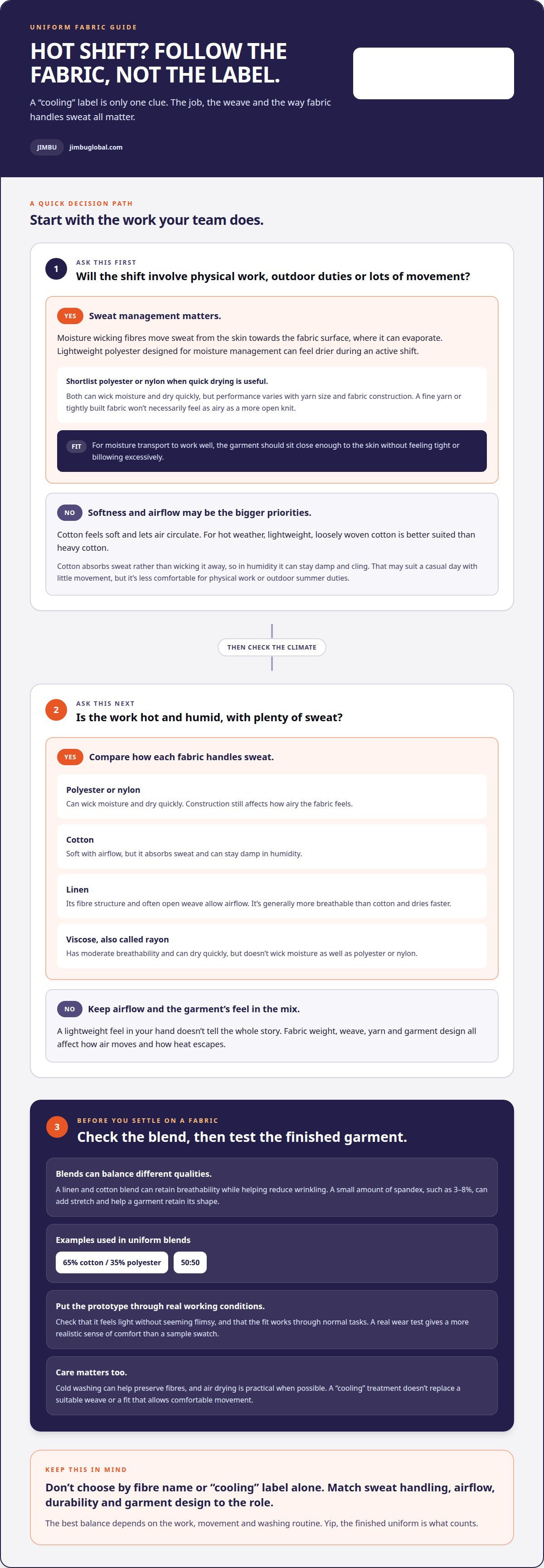
Comfort depends on how fabric handles sweat, not just how much it absorbs. Moisture-wicking fibres move sweat from the skin towards the fabric surface, where it can evaporate. A lightweight polyester shirt designed for moisture management can therefore feel drier during an active shift than a heavy, sweat-soaked garment.
Cotton handles moisture differently. It absorbs sweat but doesn’t wick it away or dry quickly. In humid conditions, a cotton work shirt can stay damp and cling to the body. That may suit a casual day with little movement, but it’s less comfortable during physical work or outdoor duties in summer.
Polyester and nylon can wick moisture and dry quickly, though their performance varies with yarn size and fabric construction. A fine yarn or tightly built fabric won’t necessarily feel as airy as a more open knit. Fibre type is one clue, but the finished fabric’s weight and structure matter too.
Some polyester fabrics, including moisture-wicking variants such as Coolmax, are designed to draw sweat away from the skin. That can help during active work, when damp fabric may rub or feel heavy. For the effect to work well, the garment should sit close enough to the skin for moisture transport without feeling tight or billowing excessively.
Quick drying also depends on how much moisture the fabric holds. A lightweight synthetic garment can dry faster than saturated heavy cotton, which is useful when uniforms are worn through warm, humid shifts. Choose based on the job’s movement and sweat level. A desk-based role and an outdoor role may need different moisture-management properties. Explore company uniform options suited to the work.
Cotton versus polyester trade-offs
For South African summer uniforms, comfort depends on fibre, fabric weight and the work. Cotton, polyester, linen and viscose each handle heat and moisture differently.
Cotton Characteristics and Heat Comfort
Cotton is a natural fibre that feels soft and lets air circulate. Lightweight, loosely woven organic cotton is better suited to hot weather than heavy cotton. Its open structure can make heat more bearable during a shift.
Cotton also absorbs sweat rather than wicking it away, so it can take longer to dry in humidity. A damp shirt may cling or lose its shape. Combed or mercerised cotton can address some drawbacks, while fabric weight and weave still influence comfort.
Comparing Fibres for Uniform Comfort
Polyester is lightweight, moisture-wicking and quick-drying, but its breathability depends on yarn size and knit or weave. A higher polyester content can improve abrasion resistance, which matters for uniforms worn through active shifts. It isn’t an automatic win, though. Fabric construction still counts.
Linen’s fibre structure and often-open weave allow airflow. It’s generally more breathable than cotton and dries faster, making it useful in warm weather. Viscose, also called rayon, has moderate breathability and can dry quickly, but doesn’t wick moisture as well as polyester or nylon.
For humid outdoor work, compare how each fabric manages sweat, not just how light it feels. Cotton may feel soft but stay damp. Polyester can dry faster, while linen prioritises airflow. Viscose suits lightweight garments with a draped fit, but its moisture-wicking performance is more limited. The best choice depends on the role, movement and washing routine.
Some people wet cotton in searing heat for evaporative cooling; cotton suits dry heat and humidity, and its airflow can make heat more bearable. Chambray may be an option for warm conditions, though comfort depends on its fabric construction. Uniform blends include 65% cotton and 35% polyester, or 50:50.
Breathability and airflow in uniform fabrics
Air moves through fabric differently depending on its weave, yarn and design. In humid climates, these details can shape comfort as much as fibre choice.
Weave, Mesh, and Airflow
Weave and knit describe how yarns interlock, while mesh uses open spaces to let more air pass through. A loose weave or knit can encourage airflow, while a dense construction may feel warmer. Thinner materials and finer yarns affect airflow too, so fabric weight alone won’t tell the whole story.
Nylon can be lightweight, breathable and quick-drying, but its performance varies with yarn size and construction. Mesh panels placed in areas that trap heat can add ventilation to work clothing. For a uniform that needs to stay durable, consider where airflow is most useful and whether the design suits the tasks.
Air permeability test data can help compare textiles beyond their fibre labels. A garment’s cut matters too. A close fit may restrict air movement, while an excessively loose fit can interfere with work.
Sun Protection and Breathability
Don’t assume a fabric is sun protective because it’s breathable, synthetic or made from a particular fibre. For outdoor uniforms, use documented UPF information to assess sun protection alongside airflow and comfort. A fibre name alone doesn’t establish the finished garment’s UPF performance.
In workplaces, choose uniform fabric and PPE according to the task’s protection needs. Breathability alone doesn’t show whether a garment is suitable protective wear. A lightweight shirt for a retail role and protective clothing for a higher-risk task serve different purposes. Clarify those requirements before settling on a fabric.
For outdoor teams, compare fabric construction, ventilation and documented protection information together. That gives you a more useful picture than a “cooling” label on its own. Explore uniform options for different work environments.
JIMBU: Uniform programmes for large workforces (just-in-time, stockholding, 1-hour delivery)
JIMBU helps large teams coordinate uniform choices and supply needs. If you’re outfitting staff across different roles, start with the work they do and the conditions they face. Fabric comfort, durability and a consistent look all matter.
JIMBU’s uniform programmes for large workforces include just-in-time supply, stockholding and 1-hour delivery. Company Uniforms and Apparel can support a coordinated approach across teams, from choosing suitable workwear to keeping uniform requirements organised. The right fabric still depends on each role, whether staff work indoors, outdoors or through a humid shift.
Planning uniforms for a large workforce? Contact JIMBU to discuss what your team needs.
Make the next uniform choice a considered one
The best fabric choice starts with the job, not a catchy label. Think about where your team works, how much they move and what the uniform needs to handle throughout a shift. Then weigh those needs against comfort, care and the look you want staff to carry.
That gives you a clearer brief for breathable uniform fabrics for hot climates. It also keeps the decision practical across different roles, instead of expecting one fabric to suit every person and workplace. For a wider staff rollout, JIMBU’s Company Uniforms and Apparel can work alongside Branded Products and Brand Stores to keep your brand looking consistent.
Ready to shape the next uniform brief? Talk with JIMBU about uniform fabrics. You’ll have a clearer place to start.
Got questions?
Frequently Asked Questions

Ready when you are
Let's build something worth talking about.
One partner. End-to-end execution. From the first sketch to the last shipped box.